PCOS Diet and Fertility: What Actually Supports Conception (and What Doesn’t)
If you have PCOS and you are trying to conceive, there is a good chance someone has already told you to lose weight first. Maybe it was your OB. Maybe it was a well-meaning article that made it sound like your body needs to hit a certain number before it is ready. Here is what that advice leaves out — the research does not actually support weight loss as a universal prerequisite for conception with PCOS. What the science does support is something more useful and more within your control. You can build a hormonal and metabolic environment that helps your body ovulate, and you can do that at any size.
That is the real connection between your PCOS diet and fertility. Not a number on the scale. Not a list of forbidden foods. It is about how your body responds to what and when you eat, and whether those patterns support the hormonal signals that drive ovulation.
The ‘Lose Weight First’ Advice Is Incomplete
Let’s be honest about where that advice comes from. There is research showing that for some women with PCOS who carry more weight and are not ovulating, modest metabolic changes can help restart ovulation. That is real. But the key word is some.
The studies do not say all women with PCOS need to lose weight to conceive. They do not say weight loss guarantees ovulation. And they definitely do not apply to normal-weight women with PCOS, who make up a significant portion of people with this diagnosis and who are often left feeling like fertility advice was not written for them.
What the research consistently points to is metabolic improvement — better insulin sensitivity, more stable blood sugar, reduced inflammation. Weight sometimes shifts when those things change. But the weight shift is the side effect, not the lever. Think of it this way: if you water a garden, the flowers grow. You would not say the goal of watering is to make the soil heavier.
The PCOS Diet and Fertility Levers That Actually Matter
If weight is the side effect, what is the real work? This is where PCOS diet and fertility actually connect: through the collection of daily habits that influence your blood sugar, your insulin levels, and ultimately your hormonal balance. The good news is that these are practical, doable things that help whether you are at a higher weight, a lower weight, or somewhere in between.
Steady Blood Sugar Sends Better Signals
When your blood sugar spikes and crashes throughout the day, your body produces more insulin to compensate. In PCOS, that extra insulin can interfere with the hormonal cascade that triggers ovulation. It is like trying to have a conversation in a room where the fire alarm keeps going off. The signal is there, but the noise drowns it out.
Eating consistently throughout the day, rather than skipping meals and then eating a large one, helps keep that blood sugar line smoother. You do not need to eat perfectly. You need to eat regularly.
Protein and Fiber Together Slow the Whole Thing Down
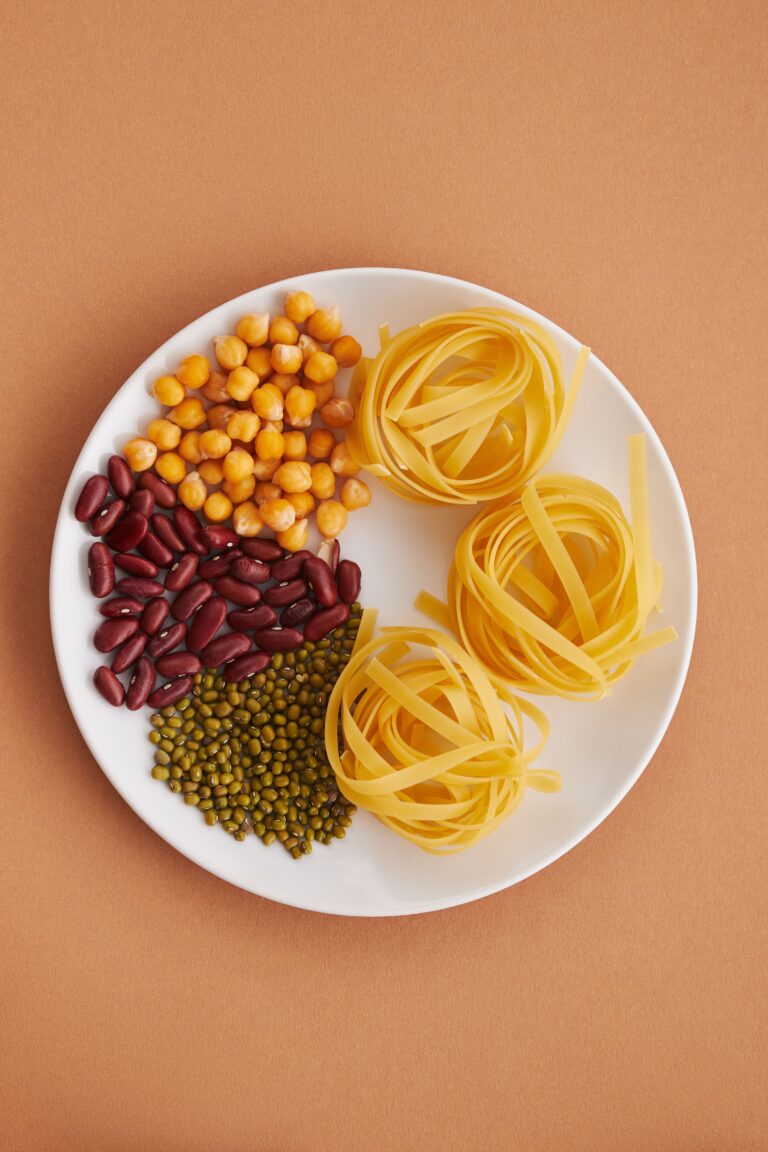
Pairing protein and fiber with your meals and snacks slows down how quickly your body absorbs sugar from food. That means a gentler rise in blood sugar, less insulin demand, and fewer of those crashes that leave you foggy and starving by 3 PM. This is not about avoiding carbs. It is about what you pair them with. Toast with peanut butter and a handful of berries hits differently than toast alone.
Sleep and Stress Are Hormonal Players, Not Just ‘Self-Care’
This is the part that often gets brushed off as lifestyle fluff, but it is real physiology. Chronic stress raises cortisol, and elevated cortisol worsens insulin resistance. Poor sleep does the same thing. If your blood sugar management feels like an uphill battle despite eating well, sleep and stress may be the pieces working against you.
You do not need to meditate for an hour or overhaul your entire schedule. But paying attention to whether you are consistently getting fewer than six hours of sleep, or whether your stress level has been running on high for months, is worth noticing. These are not bonus points. They are part of the equation.
Adding Foods In, Not Cutting Them Out
A lot of PCOS nutrition advice sounds like a list of things to stop eating. That approach tends to backfire. Restriction increases stress around food, which raises cortisol, which worsens insulin resistance. It is the opposite of helpful.
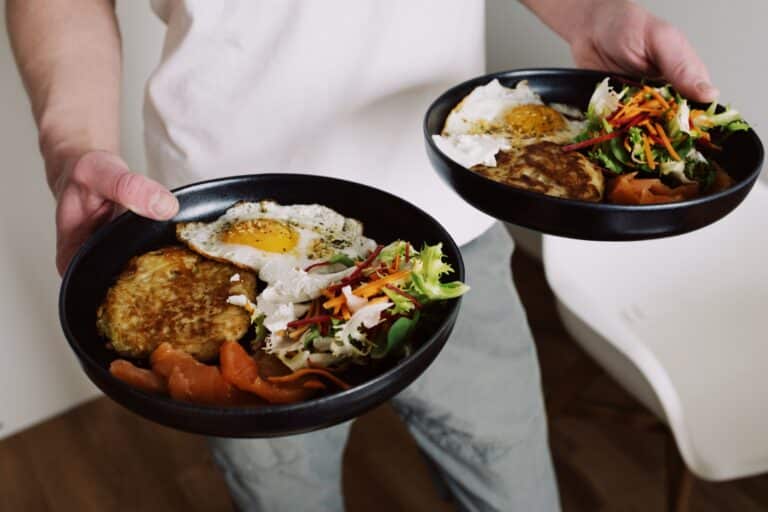
A more effective approach is focusing on what to add: more protein at breakfast, more fiber-rich vegetables alongside the meals you already enjoy, more consistent timing. Thinking in terms of fertility foods for PCOS, rather than foods to avoid, is what makes this sustainable. These additions shift the metabolic environment without requiring you to give up the foods that make eating feel good. When it comes to PCOS diet and fertility, small additions like these tend to matter more than any single food you cut. If carbs are the piece you’re still unsure about, we break down this topic further in this blog Why You Don’t Have to Give Up Carbs to Manage PCOS.
What to Focus On
- Eat consistently throughout the day rather than skipping meals
- Pair protein and fiber with carbs at meals and snacks
- Add foods that support hormone balance instead of building a restriction list
- Pay attention to sleep quality and sustained stress levels
- Focus on blood sugar stability, not calorie math
What This Is Not (and Who It Is Still For)
This is not a diet. There is no calorie target here, no meal plan, no list of foods to eliminate. This is a way of thinking about how your daily food patterns support your hormonal health, and it is the foundation of how we approach PCOS diet and fertility at Dietitian Group. That distinction matters.
It is also not a guarantee. PCOS is complex, and fertility is influenced by many factors beyond nutrition: genetics, age, other medical conditions, the specific type of PCOS you have. Nutrition is a real and meaningful piece of the puzzle, but it is one piece. If someone tells you that the right diet will definitely get you pregnant, they are oversimplifying a complicated picture.
And if you are reading this at a healthy weight, wondering whether any of it applies to you: it does. Blood sugar regulation, insulin sensitivity, protein and fiber pairing, stress and sleep support. These strategies help your body create the conditions for ovulation regardless of your size. The advice to ‘lose weight first’ may never have been relevant to your situation, but that does not mean there is nothing you can do.
Working With Your Body, Not Against a Number
The most helpful shift you can make right now is letting go of the idea that your body needs to be a different size before it is ready. When it comes to PCOS diet and fertility, your body is already working. The question is whether your daily habits are supporting the signals it is trying to send, or accidentally getting in the way.
Consistent meals. Protein and fiber on your plate. Enough sleep. Less sustained stress where you can manage it. These are not dramatic interventions. They are small, steady adjustments that add up to a different hormonal environment over time.
If you want support figuring out what this looks like in your actual life, with your schedule and your preferences and your specific version of PCOS, that is exactly what our dietitians help with. You can also keep reading about how we approach PCOS nutrition to get a better sense of how we think about food and hormones before you reach out.
About the Author

DG Clinical Team
Dietitian Group’s Clinical Team is made up of our registered dietitians, each bringing their own area of clinical focus to the table — and a shared commitment to Dietitian Group’s philosophy: judgment-free, non-diet nutrition care that meets patients where they are. This is where our team shares the practical, real-world guidance we wish more people had access to. No fads, no guilt — just trusted nutrition education from the RDs who see patients every day.
Ready to cut through the noise and actually feel good about what you eat?
Work with a dietitian — covered by insurance — to figure out what actually works for your health.
Or come find us on Instagram @dietitiangroup — we promise we won’t make you feel bad about your cooking oil.